
Nigeria is proposing a major shift in how agriculture is taught in tertiary institutions, with 80 per cent of training expected to be practical and 20 per cent theoretical.
Education Minister Tunji Alausa says the changes are intended to give young people the skills needed to work and create opportunities in the agricultural sector.
The proposal is contained in a report by the National Implementation Committee on the Review and Development of Agricultural Curricula for Tertiary Institutions in Nigeria.
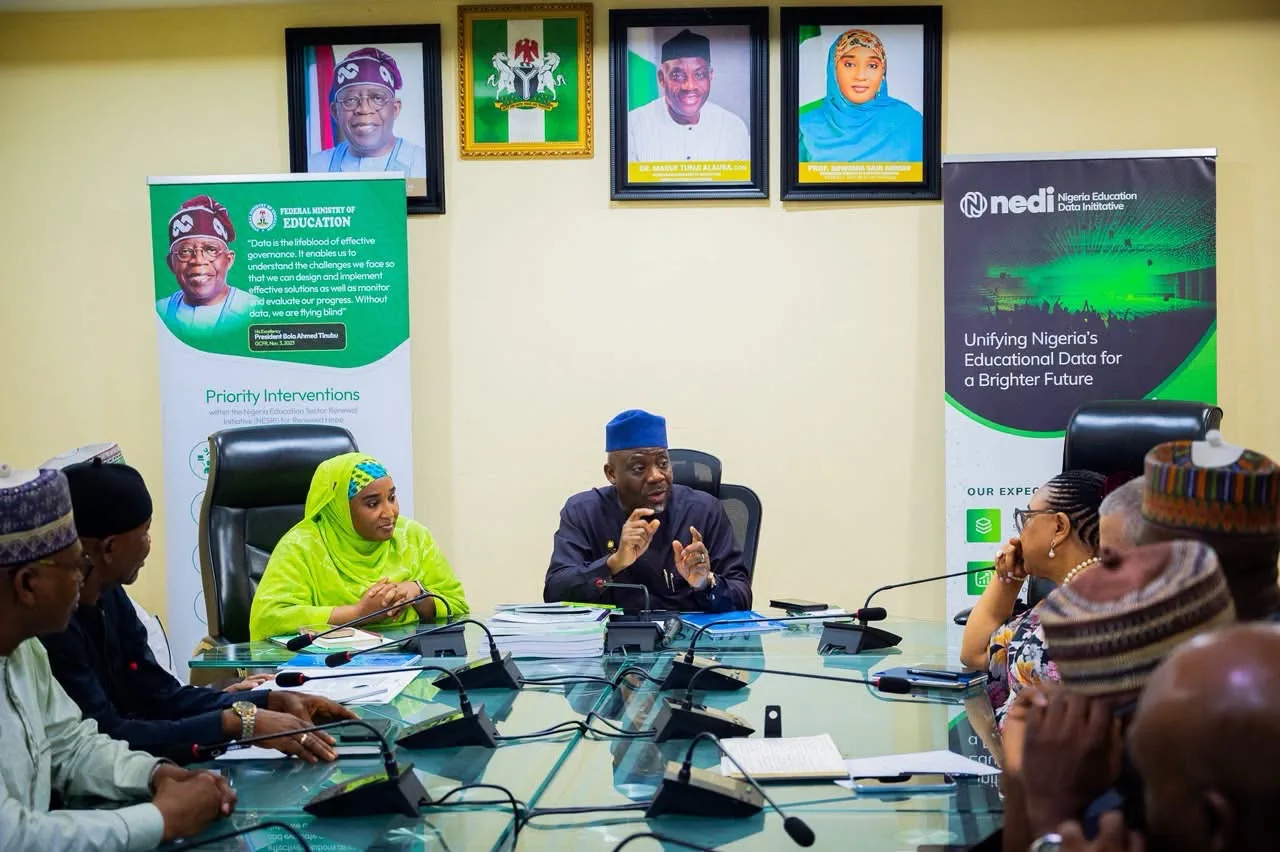
Receiving the report on Thursday, Alausa said the new approach would represent a significant departure from the existing model of 70 per cent theory and 30 per cent practical training.
Under the proposed structure, students would spend substantially more of their training gaining hands-on agricultural experience.
The minister says the changes are designed to equip young Nigerians with relevant occupational skills while supporting the government's wider plans for agricultural and economic development.
He also called for a comprehensive rollout of the revised curricula and greater engagement with industry professionals, academics, teachers and other stakeholders.
Alausa says those expected to implement the changes must understand both the new training model and the reasons behind the reforms.
Education Minister Tunji Alausa says the changes are intended to give young people the skills needed to work and create opportunities in the agricultural sector.
The proposal is contained in a report by the National Implementation Committee on the Review and Development of Agricultural Curricula for Tertiary Institutions in Nigeria.
Receiving the report on Thursday, Alausa said the new approach would represent a significant departure from the existing model of 70 per cent theory and 30 per cent practical training.
Under the proposed structure, students would spend substantially more of their training gaining hands-on agricultural experience.
The minister says the changes are designed to equip young Nigerians with relevant occupational skills while supporting the government's wider plans for agricultural and economic development.
He also called for a comprehensive rollout of the revised curricula and greater engagement with industry professionals, academics, teachers and other stakeholders.
Alausa says those expected to implement the changes must understand both the new training model and the reasons behind the reforms.

👍 0